

By Chase Macpherson | Wed, November 4, 26
States and utilities around the country are increasingly exploring thermal energy networks (TENs) as a strategy for neighborhood-scale clean heating and cooling that lowers pollution and reduces peak demand on the electric grid. NEEP convenes a TENs working group that includes state energy office and utility staff from seven states plus DC. Several common themes have emerged from the group around TENs deployment, including grid benefits, project costs, ownership structures, and the challenges associated with moving from a pilot to broader implementation.
Thermal Energy Networks
A Thermal Energy Network, or TEN, is a form of district heating system that connects buildings, heat sources, and heat sinks to provide space heating and cooling (as well as water heating, in some cases). The term TEN usually refers to what is also known as a fifth-generation district energy system, in which there is a single pipe that runs ambient temperature water (roughly 40-70°F in the Northeast) to buildings that have their own heat pumps. TENs often use heat sources such as geothermal bores or waste heat and offer highly efficient space heating and cooling. TENs primarily rely on electrically powered systems to transfer heat between buildings rather than burning natural gas to produce heat.
Because TENs are built as shared infrastructure, they provide clean heating and cooling to entire neighborhoods. Unlike building-by-building electrification, networked systems can serve a mix of customer types and building vintages, creating the potential for broader participation while helping spread the infrastructure costs across multiple customers.
State Policy and Regional Themes
Currently, 14 states in the country have passed legislation either enabling or mandating gas utilities to explore TENs as a possible tool for reaching states’ ambitious climate goals and as an alternative offering for gas utilities to provide its customers. In the Northeast and Mid-Atlantic regions, those states include Connecticut, Maine, Maryland, Massachusetts, New Jersey, New York, Rhode Island, and Vermont.
Higher Efficiency, Lower Peaks
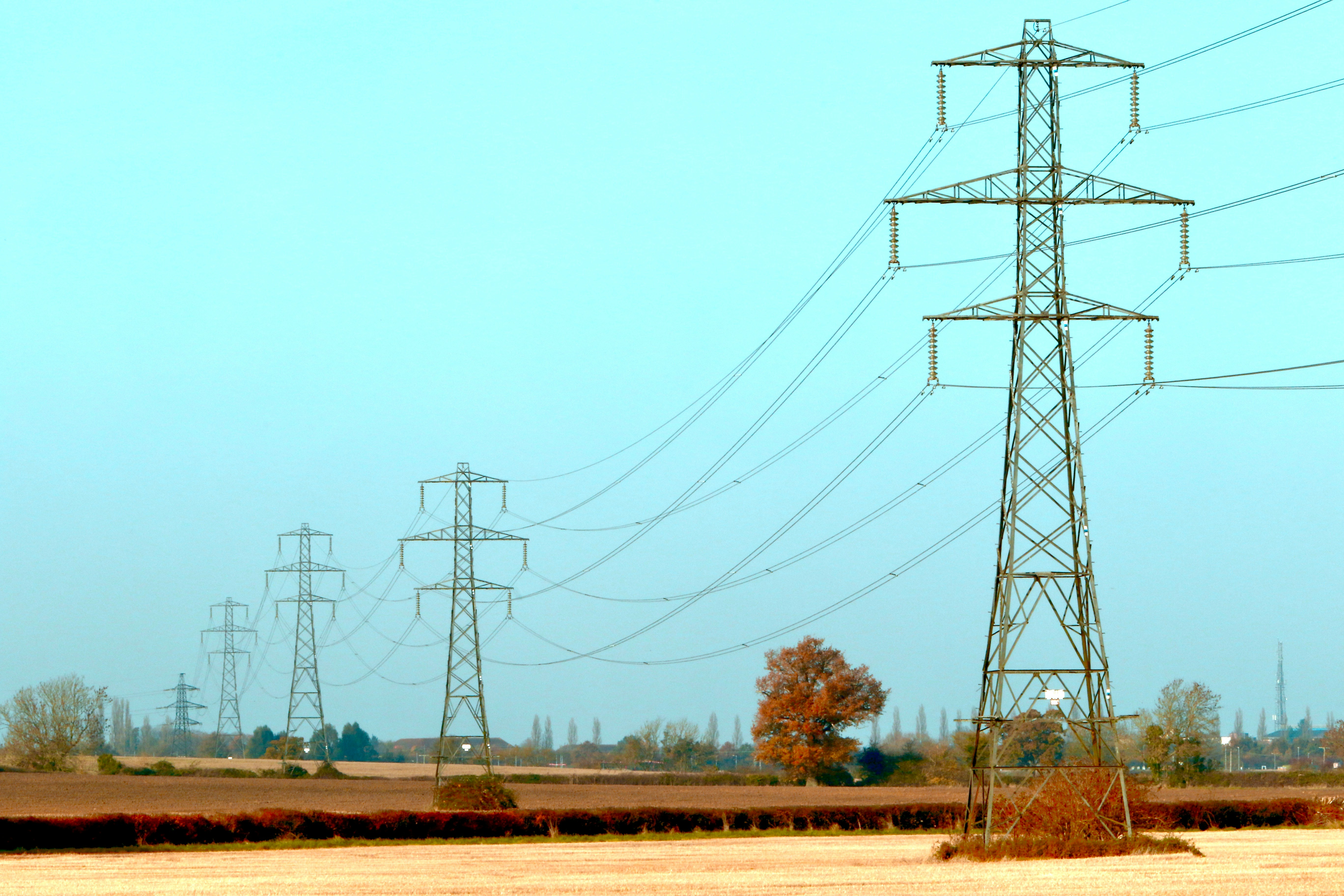
Ground source heat pumps (GSHPs) offer high efficiency on their own, and this efficiency is improved when buildings with GSHPs are networked together to share heat. Non-networked GSHPs often operate with a COP of 3-5, while networked systems can achieve a COP of 6. These high efficiencies mean less strain on the electrical grid, which is particularly important at peak times and as more buildings and vehicles are electrified. A Synapse and HEETLabs study (2025) found that each TEN could create $1.3M-$3.5M in energy, T&D, capacity and price suppression, and carbon emissions benefits. According to the study, installing TENs could reduce winter peak 25-62% for connected buildings compared to baseline of ASHPs.
Despite these compelling efficiency and grid benefits, regulators and utilities are increasingly focused on a more immediate question: how to deliver these systems at a cost that is acceptable to customers and regulators.
TENs Pilots Are Capital-Intensive
There are a few examples of TENs around the country, largely owned by universities, but it is still a very new concept for investor-owned utilities. Eversource completed the first utility owned TEN in the country in late 2024 in Framingham, MA, and many other utilities are offering project proposals to regulators. However, pilot proposals have consistently high cost estimates compared to other electrification strategies. An analysis by Thermal Energy Insights of 22 utility project proposals from seven states showed capital expenses ranging from $25 million to $150 million (before state incentives or the federal tax credit). This is challenging as policy makers and regulators are increasingly sensitive to concerns about energy affordability.
The State of Maryland passed the WARMTH Act in 2024 that directed the state’s two large gas utilities to propose one or two pilots each, but the MD Public Service Commission said that both proposals were too costly to be feasible. The PSC hired a consultant to work with both on bringing costs down, though it will likely be another year before we know the results of this effort. In New York, the Public Service Commission just announced its decision to advance two of the eleven pilot proposals mandated by the Utility Thermal Energy Network and Jobs Act. The state budget for 2026-27 allocates $150 million for TENs, and the two advancing projects (one in Buffalo by National Fuel Gas and one in Haverstraw by Orange & Rockland) will benefit from $93 million that would otherwise be recovered by ratepayers.
Another challenge is that the benefits are harder to quantify than the costs. The potential benefits have been modeled but not fully studied at utility scale. HEET has contracted a study of the actual electric grid benefits of the Framingham pilot. This research will be critical to weighing whether the large capital investments required by TENs are worthwhile.
One of the large drivers of pilot project costs is in-building upgrades and HVAC equipment ownership and maintenance which is traditionally beyond the purview of gas utility offerings. Building upgrade costs can be as much as half of total project costs, and HVAC ownership raises interesting questions about utility ownership structures. However, the need to retrofit the aging, inefficient buildings that are common across the region will be necessary regardless of the technology used to heat and cool these structures, so this expense is not specific to ground source or TENs projects.
TENs Pilots Raise New Questions About Ownership Structures
Pilot proposals have been challenging utilities to consider how much of the system they would like to own and maintain, especially
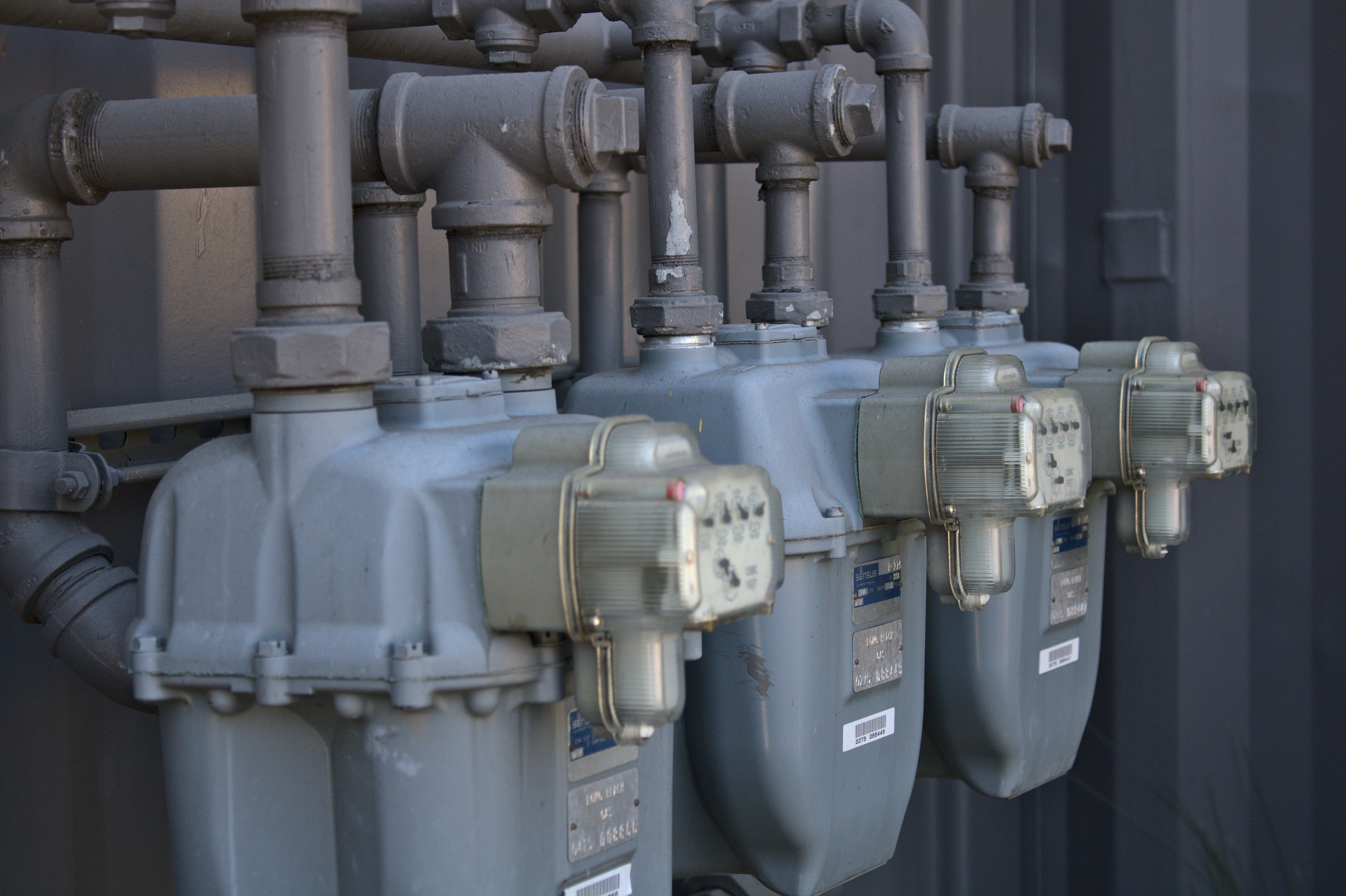
in light of rules around qualifying for the federal geothermal tax credit. For example, Eversource paid for all the building upgrades and HVAC equipment for customers participating in the Framingham geothermal network and will own and maintain the equipment for two years. These costs made up more than half of the $28 million project price tag. Eversource is now working on an expansion loop to connect new buildings to the original system. To manage expansion costs, Eversource is subcontracting in-building upgrades to HEET, with this work being paid for by a U.S. Department of Energy grant.
Qualifying for the geothermal tax credit requires the recipient to own at least one of the heat pumps in the system, which has resulted in utilities around the region considering expanding to the customer side of the meter and owning in-building equipment that would traditionally be beyond their role. The tax credit can be worth up to 30 percent of the system cost, so some utilities are branching out from their “business as usual” to take advantage of this offering. Another complication is the ongoing maintenance of in-building equipment. While this is a significant responsibility for utilities, there can also be benefits around access for monitoring and equipment longevity associated with proper maintenance.
One further complicating factor is that if the utilities do not directly handle activities such as weatherization, pre-weatherization barrier remediation, or panel upgrades, the entity that does undertake those investments may be eligible for utility program incentives and subsidies.
Similar Conversations Are Happening Across the Country

The questions emerging throughout the Northeast are also surfacing nationally, with discussions at the recent Geothermal Rising Conference in Houston highlighting many of the same issues being explored by regional utilities and policymakers. These include where to draw the “line of demarcation,” (a term repurposed by HEET to describe the boundary between utility and customer assets) in lieu of a simple “behind-the-meter” distinction, utility ownership of in-building equipment, community-led efforts to develop TENs, and the potential role of private capital in supporting deployment beyond the pilot phase.
The consistency of these conversations across regions suggests that many of the challenges facing TENs are not unique to any one state or utility. Rather, they reflect broader industry questions that will need to be addressed as deployment expands.
Lessons from Today's Pilots for Regional Progress
The current pilot phase has provided valuable insights into what it may take for gas-utility-owned TENs to reach widescale implementation. These systems are expected to benefit from economies of scale as additional customers are connected, and some stakeholders believe that the novelty of TENs as a utility offering may be contributing to higher pilot cost estimates through added contingencies and perceived project risk. From a technological standpoint, TENs remain a promising solution for neighborhood-scale decarbonization. The next several years will be strategically important in determining whether lessons from today's pilots can resolve outstanding questions around cost, ownership, and implementation, ultimately paving the way for broader deployment. For now, keep an eye on Eversource’s expansion to the Framingham pilot in MA, the two NY utility proposals moving forward to implementation, and National Grid’s proposed project with the Boston Housing Authority for exciting developments and lessons learned.