
By NEEP Staff | Wed, September 2, 26
By: Abigail Brown & Tasneem Osman
States have been longtime leaders on appliance efficiency standards. Now, as the federal government proposes limits on future standards work, state leadership is needed more than ever.
Appliance standards are an effective consumer protection energy policy: they reduce energy waste, lower utility bills, improve product performance, and help ensure that equipment and appliances meet reasonable energy efficiency expectations. Operating behind the scenes, standards help ensure that consumers have access to appliances that use energy efficiently, perform as expected, and cost less to operate over their lifetimes.
Recent federal actions have challenged appliance efficiency standards. For example, the Department of Energy recently released a proposed update to the "process rule" and a request for information on updates to the methodology for setting appliance standards. Both would create complexity and “roadblocks” for future standard making.
This blog post examines how appliance efficiency standards work, how they benefit consumers, and how states can continue to make progress on standards in today’s environment.
What Are Appliance Efficiency Standards?
Appliance efficiency standards establish a minimum level of energy efficiency for covered products, protecting customers from buying equipment that wastes energy and helping them avoid higher operating costs. These efficient products recover any additional upfront cost through lower energy bills over their lifetime. A 2026 analysis by the Appliance Standards Awareness Project (ASAP) estimates that existing national appliance efficiency standards have saved a typical U.S. household about $6,000 on utility bills over the past decade. Lower operating costs are particularly important for economically vulnerable households.
Appliance standards can also transform the marketplace. Minimum efficiency standards save energy and reduce operating costs across the entire appliance market, which is especially important for renters, who often have little to no choice over the appliances in their homes. These standards encourage manufacturers to compete on performance and innovation and ensure equipment is designed to operate efficiently and reliably.
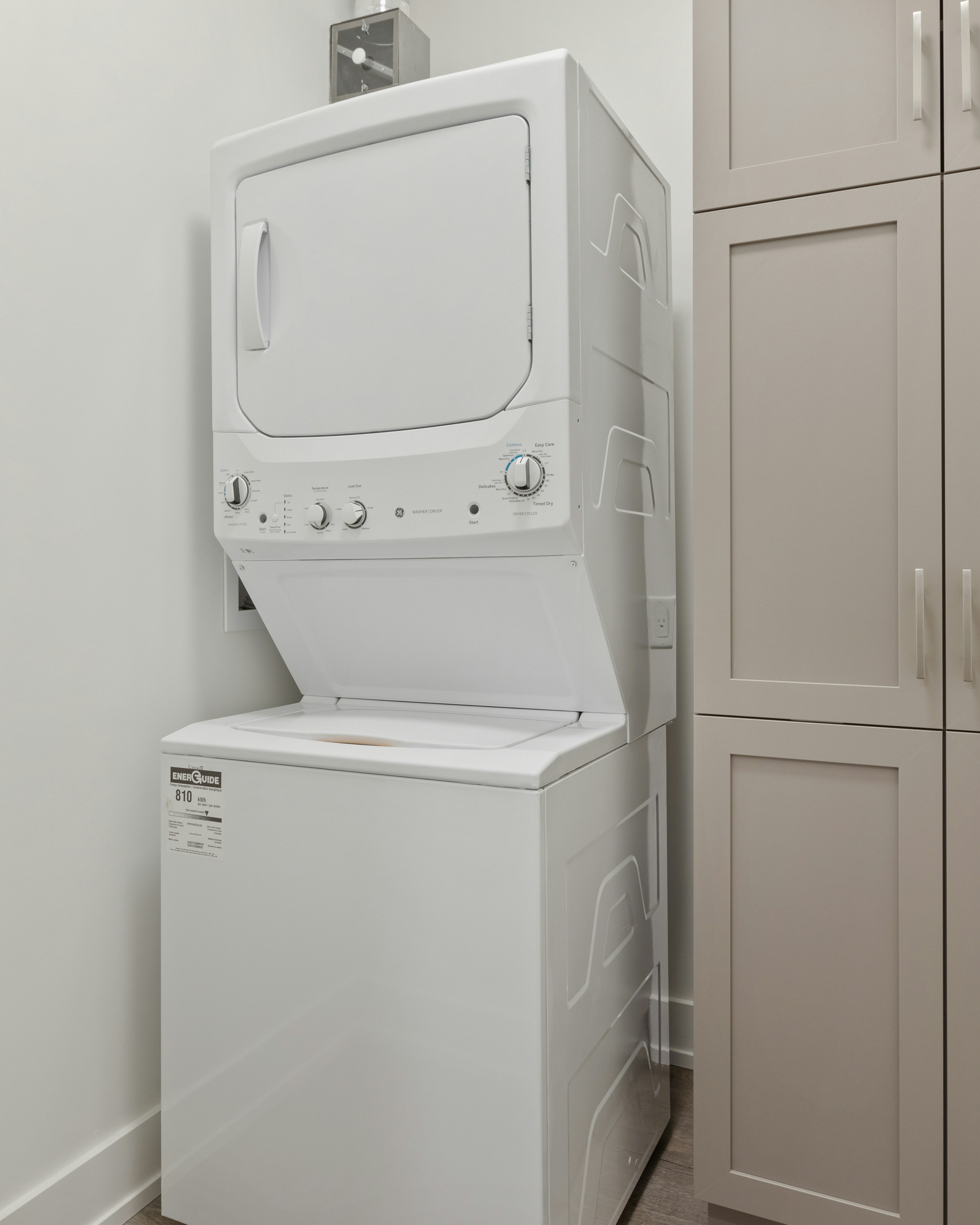
Federal appliance efficiency standards were authorized by the Energy Policy and Conservation Act (EPCA) of 1975. The law and subsequent amendments identify the products and equipment covered by the federal appliance standards program and establish minimum efficiency requirements. These requirements primarily address energy efficiency, while certain covered products also have water-efficiency requirements. Examples of federally covered products include clothes washers and dryers, dishwashers, refrigerators, and freezers.
How Can States Act on Appliance Standards?
State action on appliance standards generally involves two connected steps: first, adopting standards that capture available savings, and then supporting effective implementation through education, coordination, and compliance.
The first step for states is to adopt appliance standards. States have the legal authority to set efficiency standards for products that are not covered by EPCA. This includes equipment such as commercial dishwashers, computers, and computer monitors, and plumbing fixtures like showerheads and faucets. A state government agency may have statutory authority to promulgate standards, but if it does not, legislative action is another option. ASAP’s annual model bill is a helpful tool for information on product categories and efficiency parameters. Currently, ten out of twelve states in the Northeast and MidAtlantic have at least one state-level appliance efficiency standard on the books.
The 2025 ASAP model bill expanded the scope to include several new product categories, including electric motors, commercial and industrial fans, and computer server power supplies. These new categories represent large areas of potential savings:
- If Pennsylvania adopted a previous version of the model bill, it would have saved 481.7 GWh annually by 2035. Including these three new categories would add 1,011 GWh of additional annual savings (393 GWh from commercial and industrial fans, 112 GWh from computer server power supply, and 505 GWh from electric motors).
- Rhode Island, which considered legislation for commercial and industrial fans this year, could save 14 GWh of annual savings in 2035 from this category, or 54 GWh annually, if it brought its current standards in line with the ASAP model bill.
- Connecticut could save 284 GWh annually in 2035 and 6,626 GWh cumulatively through 2050 by adopting the model bill.
ASAP provides state-level potential savings snapshots tailored to each state depending on the standards they currently have in place.
The next step is implementing education and compliance activities. This could involve market monitoring, training, outreach, resource creation, and technical support. The State Appliance Standards Database (SASD) and associated implementation and enforcement resources support state compliance efforts. Currently, seven jurisdictions use SASD – Maine, Maryland, Massachusetts, New York, New Jersey, Rhode Island, and Washington D.C. SASD allows participating states to list products that are compliant with their state-specific appliance efficiency standards in a central database. The multi-state model keeps costs low and allows customers, manufacturers, and retailers to check compliance in different states, all in one location.
NEEP and ASAP also co-host a quarterly Appliance Standards Coordinating Call to provide updates on federal standards, detail progress on state standards across the country, and present technical information on relevant topics. This provides a space for states to collaborate and learn about new developments in appliance standards.
The Cost-Saving Potential for State-Level Standards
The potential for state-level appliance standards to transform our energy and water usage is immense. ASAP estimates that consumers in the United States could save $11 billion in annual utility bills by 2035 by adopting these recommended state-level standards. Over the longer term, the impact is even more profound, with a projected $276 billion in cumulative utility savings through 2050. These standards would not only provide financial relief but also achieve significant resource conservation, including 832 TWh of electricity savings, 8,069 billion gallons of water saved, and a reduction of 174 million metric tons of CO2 emissions.
While federal policy may continue to evolve, states do not have to wait. With state-specific savings analyses and implementation resources already available, states can advance appliance standards that reduce consumer energy costs, encourage innovation, and provide long-term benefits for households and businesses alike.
To learn more about state-level appliance efficiency standards, please contact Abby Brown.