Why Multifamily Housing Matters for Energy Efficiency
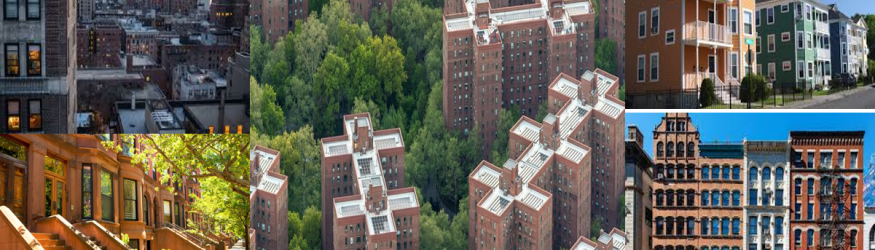
In the Northeast and Mid-Atlantic, multifamily buildings with 5 or more units account for up to 39 percent of total housing, or more than 10 percent above the national average. The volume and density of multifamily buildings make the sector a critical component of regional, state, and local strategies for energy efficiency, energy affordability, healthy housing, and greenhouse gas emission reductions. Large multifamily buildings are common in the Northeast, with 32 percent of rental units located in buildings with at least 20 apartments. Given this large market share, the multifamily sector offers a compelling opportunity for regional coordination to improve building‑sector energy performance, preserve affordable housing stock, and enhance the health and quality of life of residents.
The Challenge of Scale and Age
The scale and age of regional multifamily housing stock are important factors when considering the challenges to improving energy efficiency. Nationally, around 55 percent of small and medium multifamily properties were built before 1980. In cities like Philadelphia, where multifamily properties of 5 or more units constitute 42 percent of the rental market, the number of single- and multi-family residential units constructed before 1980 are as high as 88 percent. Deferred maintenance and inadequate capital investment are common in aging rental properties. Upgrading these properties is challenging due to the presence of toxins like mold and asbestos, inadequate electrical panels or wiring, and the need for expensive structural repairs. Together, these conditions create a compounding problem of high energy burdens and endemic health and safety issues for the community members who live in these buildings.
Centering Equity
These health and habitability issues disproportionately impact low- to moderate-income communities, who are more likely to be renters living in older apartment buildings. Upgrading old multifamily buildings puts tenants at risk of post-upgrade displacement through rent increases and property sales. As a result, building rehabilitation projects can threaten the availability of affordable housing for vulnerable populations including the elderly, persons with disabilities, working-class households, and immigrant and new American populations that depend on access to low-barrier-to-entry housing with affordable rents.
NEEP’s Strategic Response
NEEP’s multifamily housing initiative seeks to meet this challenge by aligning energy affordability, housing stability, public health, and climate strategy, and addressing these issues through a collaborative and solutions-oriented approach. To advance this strategy, NEEP convenes and supports key stakeholders, including state energy offices, local governments, utilities, housing and community development agencies, program administrators, national, regional, and local nonprofits, and community-based organizations. These efforts include promoting successful program models and strategies for building retrofits, conducting research on financing streams, stakeholder engagement and coordination, technical solutions, and the dissemination of best practices that reduce the risk and complexity of multifamily energy efficiency retrofits.
NEEP emphasizes the importance of practical tools and technical assistance to help under-resourced building owners and managers navigate energy efficiency retrofits in ways that center tenant protections and the long-term financial stability of the properties these residents call home. However, a significant challenge is the lack of a one-size-fits-all solution for a sector characterized by a broad diversity of building typologies, ownership models, regulatory environments, and site-level conditions and constraints that directly influence best practices for designing and implementing energy efficiency retrofits. Effective strategies must be flexible and context-specific, pairing locally relevant frameworks and standards with tailored technical support that accounts for the unique characteristics of each property and community.
NEEP Multifamily Resources
To support practitioners in the region, NEEP develops resources that inform program design and implementation strategies and approaches to program delivery. These tools can help stakeholders as they seek to improve energy efficiency in multifamily properties in ways that reflect real-world building conditions and the specific needs of multifamily building owners and residents.
Multifamily Blog Posts
- Equitable Decarbonization in the Affordable Multifamily Sector
- The Problem in Multifamily Energy Data Access
- Decarbonizing Multifamily Affordable Housing with Networked Geothermal in Connecticut
Multifamily Case Study Library
The Multifamily Case Study Library is a sortable catalogue of documented reports and examples of energy efficiency upgrades in multifamily buildings in the Northeast and Mid-Atlantic region. This tool can help program administrators, architects and contractors, developers, state and local governments, community stakeholders and others identify actionable, real-world strategies for multifamily energy efficiency retrofits. The library also highlights opportunities for further research, particularly in terms of post-intervention performance data.