

By Charlotte Weigel | Wed, March 4, 26
When measuring the climate benefits of energy efficiency in buildings, we often focus on the reduced emissions associated with heating, cooling, and powering the building, or its operational carbon emissions. However, these emissions do not tell the whole carbon story and the associated costs of our built environment. Embodied carbon refers to the sum of greenhouse gas emissions (GHG) produced during the extraction, manufacturing, transportation, construction, use, maintenance, and eventual disposal of building materials and infrastructure. The embodied carbon associated with producing building and construction materials are responsible for 11% of global GHG emissions.
How are jurisdictions addressing embodied carbon in the built environment? And how can they do this in a way that promotes affordability? Here we provide an overview of embodied carbon policies in the region, highlighting a recent analysis undertaken by Massachusetts to develop an Embodied Carbon Reduction Plan. We also discuss the need to assist builders in calculating the costs and benefits of integrating lower embodied carbon materials into projects and to assist policymakers with advancing policies to further drive market transformation across the region.
Embodied Carbon Policies in the Northeast and Mid-Atlantic Region
Several states have begun to address embodied carbon in new construction through Lead by Example programs, which target embodied carbon reductions in state-led projects through “Buy Clean” initiatives. Among these programs, most include mandatory reporting of Environmental Product Declarations (EPD) for concrete use, which is a primary source of embodied carbon among construction materials (Table 1). EPDs are essentially a nutrition label for products that discloses that product’s Global Warming Potential (GWP).
| State | Policy | Eligible Materials | Details |
| New York | Executive Order 22 | Concrete, asphalt, steel and glass | Mandatory material quantity and EPD reporting |
| NYS Buy Clean Concrete | Concrete | Mandatory EPD reporting | |
| New Jersey | Low embodied carbon concrete law | Concrete | Provides up to 8% tax credit for low carbon concrete and for costs of conducting EPD analyses of low carbon concrete mixtures |
| Maryland | Buy Clean Maryland Act | Cement or Concrete mixtures | Mandatory EPD reporting with a requirement not to exceed maximum GWP thresholds (starting July 2026) |
State “Buy Clean” policies send market signals to suppliers to increase the availability of materials with lower embodied carbon and to drive down their costs. However, their impacts are limited to the public sector, which contributed 24% of the embodied carbon footprint of construction in the US between 2013-2023. Building certifications that integrate options for embodied carbon reduction such as LEED are used by states including New York, Maryland, and Massachusetts through mandating certification for public projects and/or incentivizing certification in private development.
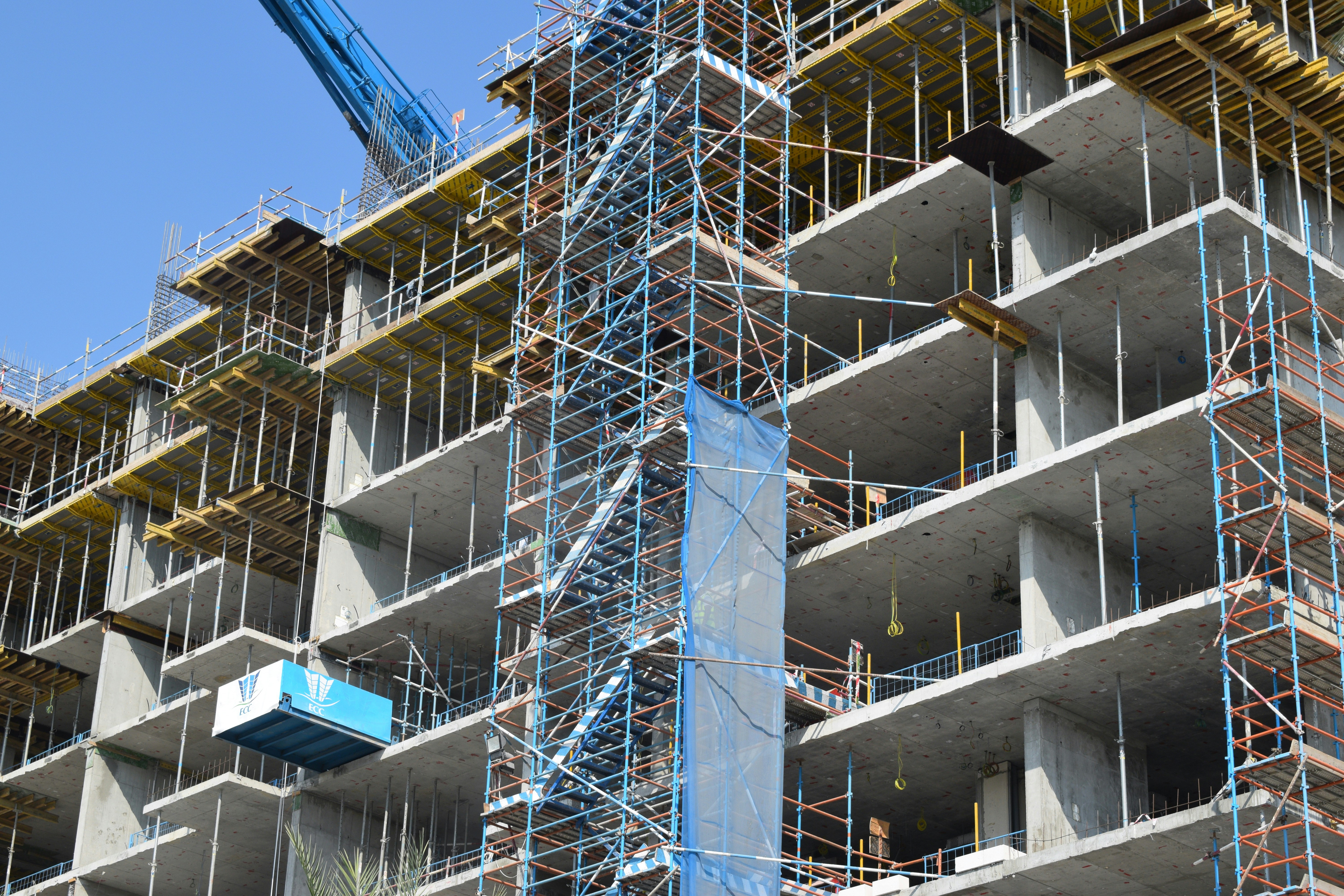
Some jurisdictions in the Northeast region have also integrated strategies to lower embodied carbon more directly in the private sector through building codes. Examples include Vermont and Washington, D.C.
In Vermont, the prescriptive compliance paths of their 2024 Residential and Commercial Building Energy Standards include optional points for new construction in increasing amounts for three different strategies. These include reporting the Global Warming Potential (GWP) impact of project insulation materials, reducing the embodied carbon in insulation by a moderate amount, or reducing embodied carbon in insulation to be net-negative if carbon-storing materials are used.
In Washington, D.C., the 2017 DC Green Construction Code requires building projects > 25,000 square feet to either complete a Whole Building Life Cycle Assessment demonstrating that the project achieves not less than a 20 percent improvement in environmental performance for GWP, choose materials with reduced impact, such as recycled or salvaged material, or provide EPDs or other verified material specific assessments for a minimum amount of building material content.
Other local jurisdictions have also adopted policies to lower embodied carbon. These include “Buy Clean” policies for municipal procurement such as those in New York City and Brookline, MA. Other examples are zoning ordinances that require EPD reporting or Whole Building Life Cycle Analysis for private sector new construction meeting minimum size thresholds (Boston, MA, Cambridge, MA, and Newton, MA).
Massachusetts Expanded its Work on Embodied Carbon in January 2026 with an Embodied Carbon Reduction Plan
Massachusetts has taken several steps to lower embodied carbon in the buildings sector. These include recommendations for low embodied carbon construction material procurement in state agencies, and in February 2025, the Commonwealth added a three-point Home Energy Rating System (HERS) credit into the residential stretch energy code pathway for low embodied carbon concrete or insulation. Massachusetts also integrated low embodied carbon materials into the Qualified Allocation Plan scoring criteria for Low Income Housing Tax Credits in 2022.

Recent efforts to implement their 2024 Climate Law expand this work in the buildings and transportation sectors. In 2025, the Division of Capital Asset Management and Maintenance and the Office of Climate Innovation and Resilience established an Embodied Carbon Intergovernmental Coordinating Council (ECICC) tasked with creating an Embodied Carbon Reduction Plan (ECRP) that includes strategies to measure, monitor and reduce embodied carbon for state buildings and transportation. The Council, consisting of members from state and quasi-state agencies and private industry experts, held public hearings throughout the state to present draft recommendations and gather public feedback.
The Embodied Carbon Reduction Plan was released in January 2026 and provides a roadmap to reduce embodied carbon in state-managed buildings and transportation infrastructure. The roadmap also outlines suggestions to promote market development and economic activity around reduced embodied carbon innovation and to integrate reduced embodied carbon throughout the building code. Importantly, the roadmap transitions policies from a focus on reducing embodied carbon from selected materials to targeting whole building embodied carbon reductions through early design level analysis. Recommendations include:
- Integrating embodied carbon reduction into state-managed construction processes and educate relevant stakeholders on embodied carbon policies and processes;
- Requiring EPD and material quantities submitted for covered state projects starting in mid-2027 for high impact materials: asphalt mixture, precast concrete, ready-mix concrete, steel reinforcement (rebar), structural steel, structural wood, and window assemblies;
- Setting maximum global warming potentials for asphalt mixture, precast concrete, ready-mix concrete, steel reinforcement in covered state projects starting in mid-2028 using a project averaging approach;
- Requiring Whole Building Life Cycle Analysis for covered state projects starting in mid-2027;
- Establishing a Technical Advisory Committee to provide guidance to the ECICC on embodied carbon policies and updates to the ECRP, required every two years;
- Supporting deconstruction and reuse as an emerging initiative and supporting the low embodied carbon technology business sector through awareness, business growth and market development;
- Incorporating energy efficiency credits for low embodied carbon concrete and insulation into the state base building energy code, align GWP thresholds across the base and stretch energy codes once those thresholds are developed, and develop a timeline for adopting more extensive provisions for lowering embodied carbon in the building code, considering optional compliance paths potentially modeled on California’s CalGreen building code, which offers three compliance paths for large non-residential buildings and schools:
- Reuse of at least 45% of an existing structure and its exterior.
- Conducting a whole building life-cycle assessment (WBLCA) to demonstrate a 10% reduction in embodied carbon compared to a baseline model.
Provide EPDs for specified materials.
Embodied carbon policy cost analyses and technical guidance for builders could assist with fast-tracking compliance
The region needs up-to-date cost analyses of low embodied carbon materials and technical guidance for builders. RMI’s 2021 study identified low-cost, high-value opportunities for reducing embodied carbon in buildings and found that the most impactful measures added no or low cost premiums of less than one percent. However, the case studies were conducted in the Pacific Northwest and results may vary by region. The cost of concrete in particular is specific to location, as concrete suppliers are local to jobsites to minimize transportation of wet concrete. RMI’s 2022 study on cost of low embodied carbon concrete in the Northeast found a small cost premium on low embodied carbon concrete mixes at that time.
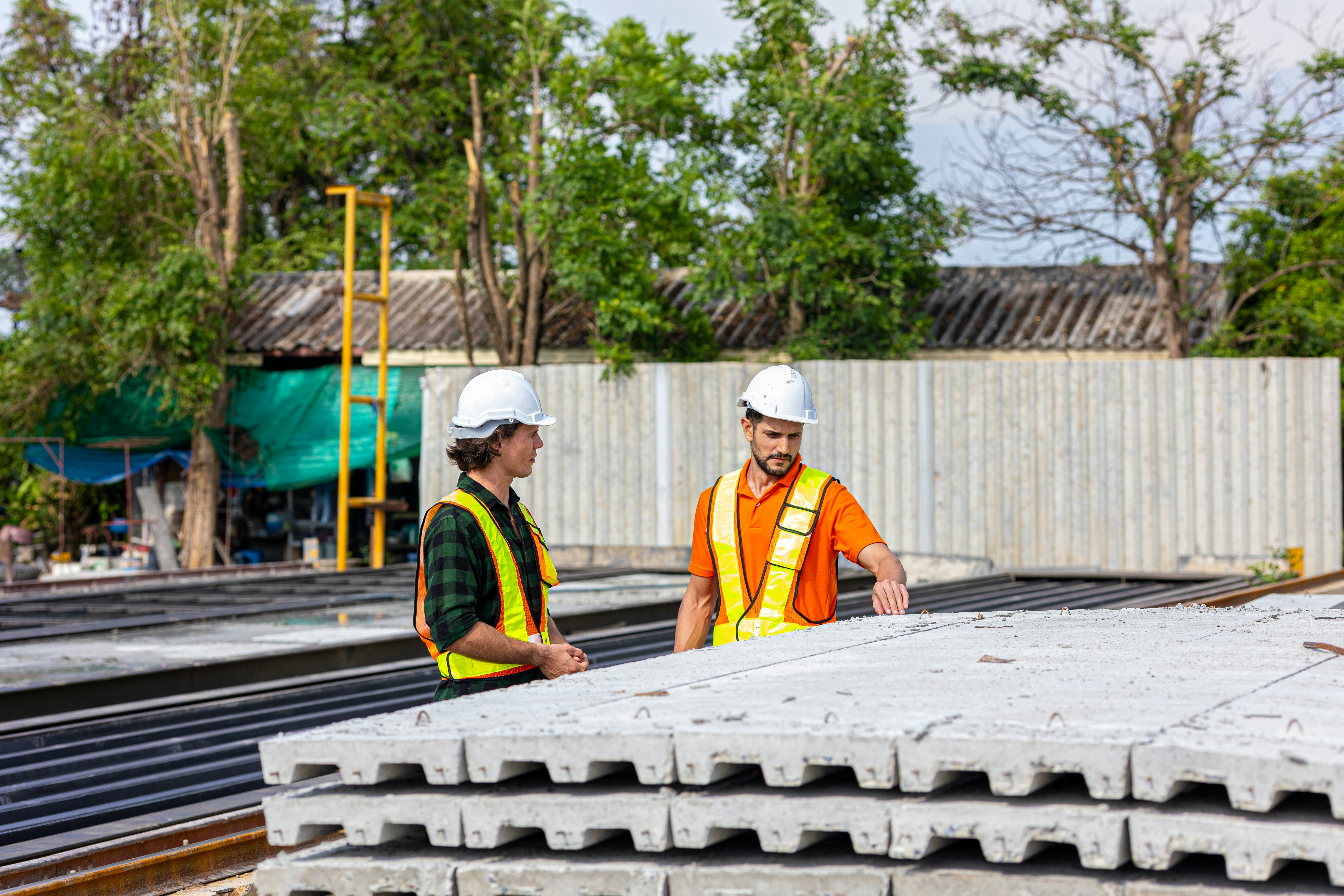
In developing the Massachusetts ECRP, the ECICC consulted experts in construction and materials research to understand the impacts of lowering embodied carbon on costs and targeted their recommendations on initial reductions in embodied carbon that have minimal cost implications for most listed material types. In addition, in the recent Massachusetts Embodied Carbon Challenge, winning projects, all > 20,000 square feet, were selected based on a set of criteria that included cost effectiveness. This shows how low embodied carbon can be achieved in a cost-effective way.
A recent study of 100 newly constructed single family homes in Massachusetts also showed that some builders are already achieving lower than average embodied carbon with affordable, business as usual construction practices. However, localized cost assessments and technical guidance are needed for builders across the region to enable compliance across all building types, especially as states such as Massachusetts and Maryland are establishing timelines to ramp up requirements.
In an assessment of the cost impacts of embodied carbon policies, the net cost of compliance should be calculated and should include any incentivized tradeoffs. For example, to earn a three-point HERS credit in the Massachusetts stretch energy code, the GWP of 90% of the concrete used in a project must be at or less than the average GWP for concrete in the Northeast. In this example, the net cost of compliance needed to inform the builder’s decision includes the costs of the concrete mixes to meet the requirement minus the cost savings of the HERS credit.
An emerging method to lower embodied carbon in the built environment is the deconstruction and reuse of buildings and building materials. As acknowledged in the Massachusetts ECRP, “one of the most impactful ways to reduce EC is to choose not to … use new materials in the first place.” However, the ECICC acknowledges that there are significant barriers to market development including the lack of a trained deconstruction workforce and standards for deconstruction processes such as salvage assessments, a lack of storage for salvaged materials, and low market demand. Massachusetts is conducting a pilot project incorporating a deconstruction and salvage approach to assess costs, among other metrics, to better understand barriers to this approach.
We cannot afford to ignore embodied carbon in our buildings
The NEEP region is a leader in addressing operational emissions from buildings through policy levers such as energy codes. However, commonly, 20-30 years of operational carbon equals the upfront embodied carbon of a building, and while each new iteration of the energy code requires more stringent levels of energy efficiency, embodied carbon is responsible for a higher proportion of a building’s lifetime emissions. While several jurisdictions have made strides in addressing embodied carbon in buildings, Massachusetts’ new Embodied Carbon Reduction Plan provides a roadmap with policies that affordably reduce embodied carbon in new building stock over time that other jurisdictions could model. Jurisdiction-specific cost analyses of compliance with these policies as the market responds to growing demand will assist in setting realistic targets that will continually drive down the overall embodied carbon of our built environment.