

By Dragana Thibault | Thu, June 11, 26
NEEP Summit 2026 brought together state energy offices, utilities, regulators, advocates, and industry leaders to explore a wide range of topics shaping the region's energy future. Across sessions, participants discussed topics such as energy affordability, virtual power plants, workforce development, and strategies for meeting growing electricity demand while also putting people first.
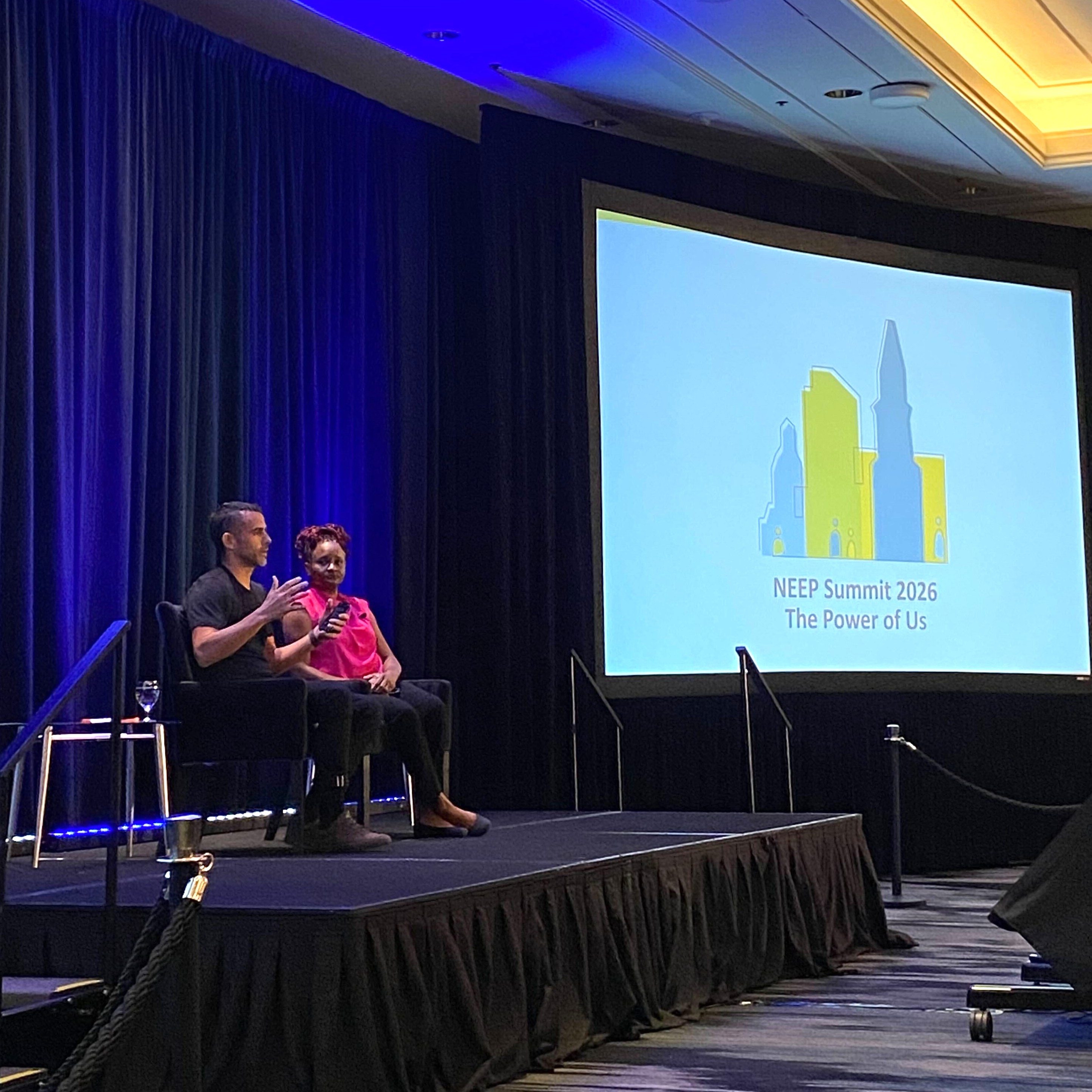
One theme that surfaced throughout the Summit was the need to make the most of existing resources. As energy systems become more complex and customer expectations continue to evolve, organizations are looking for ways to deliver programs more efficiently, reach customers more effectively, and maximize the impact of every dollar invested. These ideas were front and center during one Solution Spotlight session AI in Action: Smarter Data, Smoother Programs, led by Jeff Coleman, CEO and Co-Founder of Eli Technologies, and Aisha Kutter, Residential Energy Efficiency Program Manager at Central Hudson Gas & Electric. While the session focused on artificial intelligence (AI) tools in energy efficiency programs, the conversation was ultimately about something much broader: how technology, when paired with trusted partners, can help remove barriers that have long slowed the delivery of energy efficiency.
Starting with the Customer
One of the clearest stories from the session came from Central Hudson’s HomeBoost program. Before launching the initiative, Central Hudson researched customer awareness of its energy efficiency offerings. The results showed a real challenge - roughly one in five customers did not know the utility offered energy efficiency programs. But many customers said they were interested in home energy assessments and weatherization improvements. That gap between interest and awareness became the starting point. Central Hudson partnered with local libraries to provide customers with access to thermal imaging cameras and the HomeBoost platform. Customers can borrow a kit from participating libraries, complete a self-guided home energy assessment, and receive a customized report identifying opportunities to improve comfort and energy performance. The platform uses AI to analyze the information collected and generate recommendations.
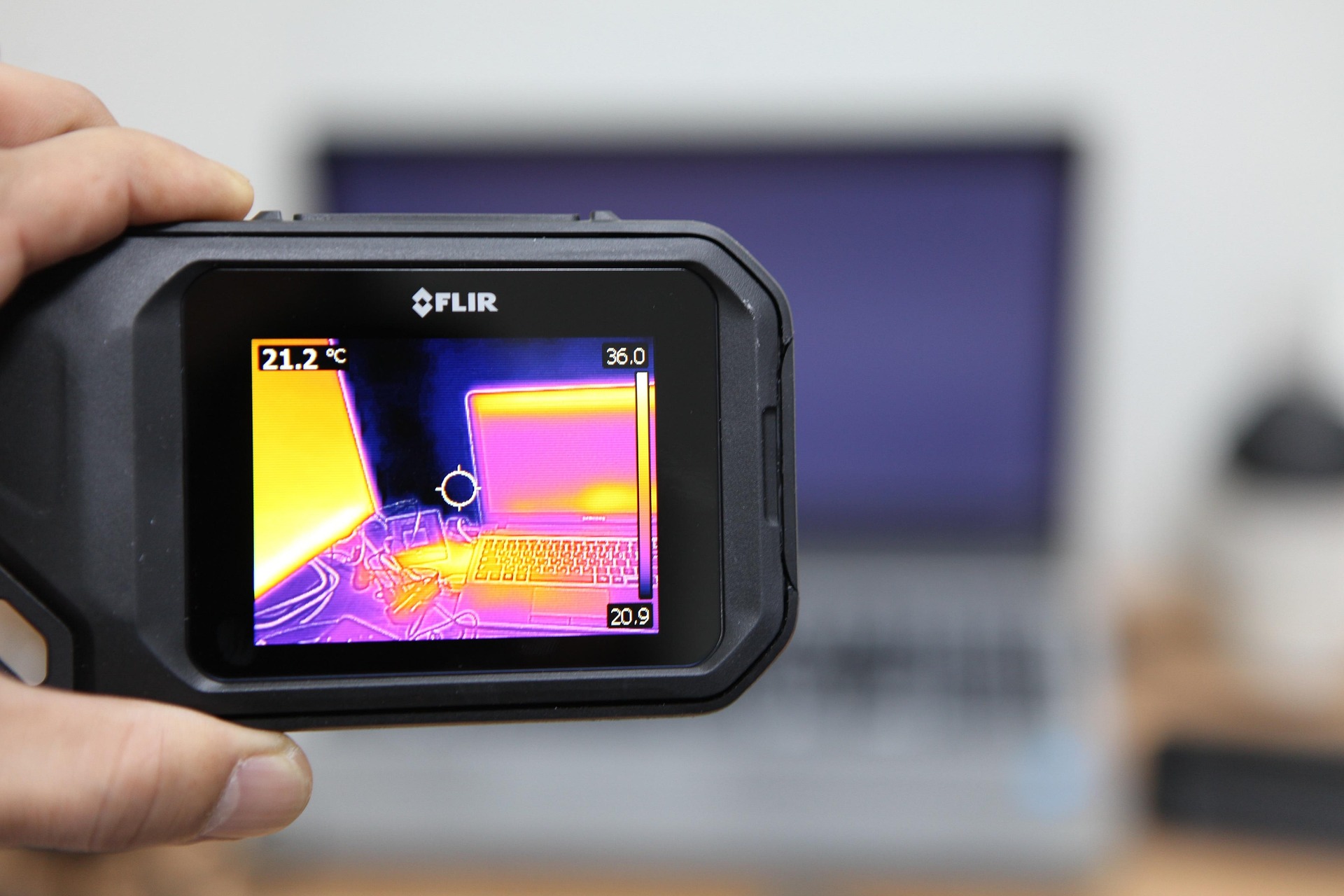
What made the example compelling was more than the technology. It was also the way the program met customers where they already were. Libraries are trusted community spaces. A self-guided assessment gives customers a way to learn about their own homes without immediately needing to schedule a contractor visit or understand every program available. In that sense, the program helped customers take a first step. Kutter shared one example of a customer who initially received a costly proposal for home improvements but, through the HomeBoost process, learned about existing assistance programs and ultimately qualified for weatherization support through NYSERDA’s Empower+ program. That story captured one of the strongest lessons from the session, which is that technology is most useful when it helps customers find and use the available solutions. For low-income and at-risk customers, programs may be available, but awareness, paperwork, trust, time, and confusion too often stand in the way. Tools like HomeBoost, paired with trusted access through community institutions like libraries, can help customers better understand their homes, identify next steps, and connect to existing resources to make energy efficiency more accessible.
Making Program Delivery Easier
The session also focused on another side of program delivery: the administrative work that happens behind the scenes. Coleman described how Eli Technologies uses AI to support workflows around documentation, rebate processing, and payments. His perspective was shaped by experience both as a program administrator and as a technology provider working with programs and contractors. Energy efficiency programs often have strong goals and dedicated teams, but they can get slowed down by manual processes. Applications need to be reviewed, eligibility needs to be verified, documents need to be collected, incentives need to be processed, and contractors need to be paid. If any of these steps take too long, customers lose momentum, contractors lose confidence, and program staff lose time that could be spent on outreach, problem-solving, and customer support. A recurring theme in the session was reducing friction. For customers, that can mean fewer confusing steps. For contractors, it can mean less paperwork and faster payment. For program administrators, it can mean more capacity to focus on the people and communities the programs are designed to serve. This is where AI can be a useful tool for making that work easier to deliver.
Making Energy Efficiency More Efficient
Another key takeaway from the session was that AI is not replacing traditional energy efficiency strategies. Instead, it is helping make those strategies more effective. Several examples shared by the speakers focused on improving customer targeting and identifying homes most likely to benefit from efficiency upgrades. Rather than relying solely on broad marketing campaigns, utilities are beginning to use data and analytics to better understand where needs exist and which customers may be most interested in specific programs. This approach can help organizations direct limited resources where they can have the greatest impact. Looking ahead Energy efficiency remains one of the most practical tools available to reduce demand and help customers manage costs. But to meet the moment, efficiency programs must be easier to deliver, easier to participate in, and easier to scale. That may be the bigger lesson from the AI in Action session. The conversation was not only about what AI can do for program administrators or technology providers. It was also about whether smarter tools can help customers find the support they need, help contractors move projects forward, and help programs deliver benefits more quickly.

As AI expands, data centers and other large energy users will increasingly shape electricity demand, infrastructure investment, and energy costs. While this growth can create jobs, generate tax revenue, and support economic development, it also raises questions about grid reliability, affordability, land use, and how benefits are shared with local communities. Addressing these challenges will require collaboration among policymakers, utilities, businesses, and residents to meet rising energy needs reliably and affordably. Energy efficiency and thoughtful planning must remain central, and NEEP will continue to monitor these trends and advocate for an efficiency-first approach.