

By Dragana Thibault | Wed, April 1, 26
Every few years the International Energy Conservation Code (IECC) is updated, helping to shape the buildings where we live, work, and gather. The IECC influences home comfort and affordability, whether buildings are prepared for modern energy systems, and whether states and communities have a clear path to adopt stronger energy standards over time.
The foundation for the 2030 IECC is currently being established. Earlier this year, the International Code Council (ICC) released a draft Scope and Intent for public comment. This document plays a critical role in defining how the next energy code will be developed, how cost-effectiveness will be evaluated, and how decisions will be made throughout the process.
Recognizing the importance of this moment, the Northeast Energy Efficiency Partnerships (NEEP) joined other Regional Energy Efficiency Organizations in submitting a comment to help ensure the 2030 IECC continues to support affordability, usability, and long-term value for building occupants.
A Code at a Crossroads
For decades, the IECC has followed a relatively simple idea: each new version should move buildings forward by becoming more efficient, more cost-effective over time, and better aligned with modern technologies and how people use and pay for energy. The proposed 2030 framework takes a different approach.

Historically, the IECC has been developed as a single, unified model code. Instead of one model code that steadily advances, the 2030 framework introduces two codes: an IECC focused on minimum requirements, and an additional IECC Expanded (IECCX) pathway intended to address more advanced measures, including things like electric-ready provisions, renewable energy readiness, net zero provisions, and other strategies that support lower emissions and long-term building performance.
At first glance, this might sound like flexibility. But when you look closer, it adds complexity. The proposed framework narrows the scope of the IECC to focus primarily on upfront construction costs and operational energy performance, while relegating other considerations, such as lifecycle costs and electrification readiness, into the IECCX. These features are still important to long-term building performance and affordability but are no longer included in the model code framework. These decisions matter because they will shape how energy efficiency is defined and evaluated in this code cycle and beyond.
Keeping Affordability at the Center
To understand why this matters, it helps to think about how buildings work, not just on day one, but over several decades. A home built today may stand for 50, 75, or even 100 years. The walls, wiring, and core systems are much harder and more expensive to change later. That’s why energy codes have never been just about first cost — they’ve always been about protecting occupants over time.

The 2030 draft framework emphasizes shorter-term payback periods in the IECC of 7, 10, or 12 years, compared to the 30 years in the IECCX. While these timeframes can simplify analysis, they may not fully capture the long-term savings that many efficiency measures provide. This shifts the focus toward the builder or developer’s initial construction costs, rather than the long-term financial experience of the families who will live in these buildings for decades to come. It also misses something fundamental: energy costs don’t happen once, they happen every month, and over time, those costs can have a significant impact on affordability.
In our joint comment to ICC, we encouraged the continued use of lifecycle cost analysis in the IECC development, a method widely used by the U.S. Department of Energy and states to reflect the full range of costs and benefits over 30 years. This approach helps ensure that decisions account for energy savings over the life of a building, maintenance and replacement costs, and the real affordability implications for occupants. Affordability isn’t just about what a home costs upfront; it's about whether people can afford to stay in that home over time.
The Risk of a Split Path
The introduction of the IECC and IECCX also raises practical concerns. Across the country, many states have laws that automatically adopt or reference the IECC. These policies were built on an expectation and principle that each new edition of the IECC would continue to improve performance and affordability. That principle is undermined if the core IECC becomes narrower while modern measures are placed in a separate code.
In some cases, states may adopt only the base IECC, leaving out the very provisions that drive meaningful progress, such as electric-ready requirements, renewable energy readiness, and other modern measures that future-proof buildings and support long-term building performance and affordability.
For agencies and policymakers who rely on federal or state cost-benefit analysis, the shift would also introduce new challenges. Evaluating multiple code pathways, with different assumptions and scopes, makes it harder to provide the consistent, trusted analysis that states depend on.
Planning for Modern Building Performance and Affordability
Buildings are long-lived assets. Decisions made at the time of construction can shape performance and costs for decades. That’s why forward-looking provisions, such as planning for future technologies, play an important role.
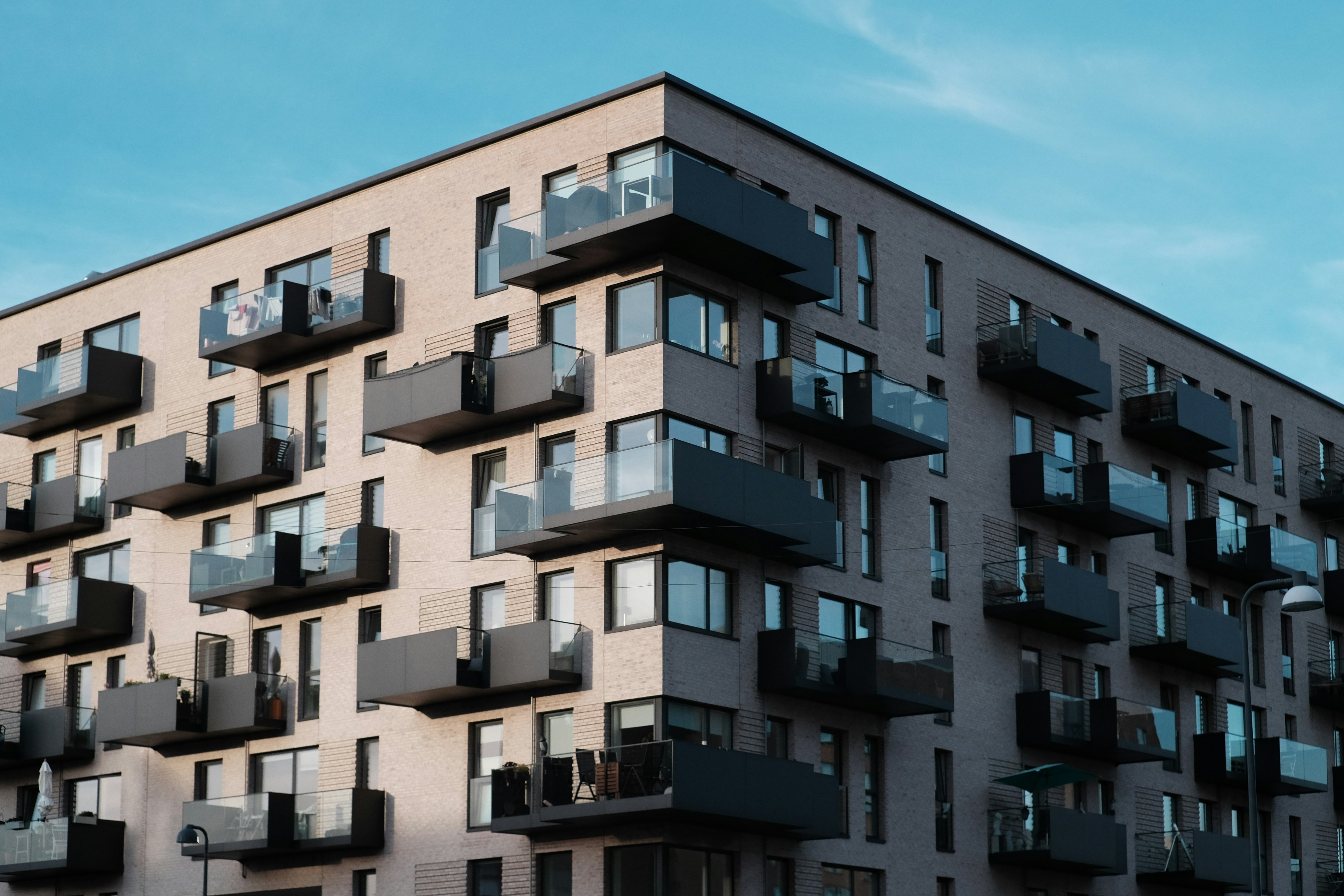
The draft Scope and Intent places electric-ready provisions in the IECCX. But installing infrastructure is far more cost-effective during construction than retrofitting later for things like electrical panel capacity, wiring pathways, and space allocation. Once a building is complete, those upgrades become highly disruptive and expensive. Including electric readiness in the base code isn’t about forcing immediate change, it’s about preserving flexibility, supporting future consumer choice, and avoiding higher costs down the road.
Why This Moment Matters
The Scope and Intent of the 2030 IECC may sound abstract, but the results will be impactful. It determines what counts, what gets measured, and ultimately, what gets built. The 2030 IECC will influence buildings that stand for generations. How the IECC is structured will directly influence how it is adopted, implemented, and ultimately how effective it is in delivering energy savings and long-term affordability.
Based on our review, we see clear benefits to maintaining a single, unified IECC. A divided structure introduces additional complexity, creates uncertainty for state and local adoption, and makes it harder to ensure that forward‑looking measures remain accessible and consistently applied.
A cohesive code also supports the long-standing expectation that each new edition of the IECC represents steady progress in building performance and affordability. States, agencies, and practitioners rely on this continuity to conduct cost-benefit analysis, plan implementation, and maintain alignment across jurisdictions.
The IECC has long been more than a code; it is a foundation for better buildings and stronger communities. Maintaining one clear and comprehensive IECC helps preserve that role by supporting usability, consistency, and long-term value for building occupants. For these reasons, we recommend preserving a unified base code that continues to advance building performance and housing affordability.