

By Mary MacPherson | Fri, May 8, 26
Energy affordability is a priority for states across the country – and Maryland is no exception. Last month, Maryland legislators passed the Utility RELIEF Act, a wide-ranging law that reforms several policy areas, including utility ratemaking, data center tariffs, solar permitting, energy efficiency, and utility bill assistance.
State leaders describe the law as a way to help reduce energy costs for residents by saving every Marylander $150. The legislation achieves much of this short-term relief by reducing investments in energy efficiency. The Act and Maryland’s Fiscal Year 2027 budget also unlock other funding for energy-efficient buildings, including dedicating funding to heat pump programs.
In this post, NEEP takes a closer look at what the Utility RELIEF Act does for energy efficiency and building electrification and what it may mean for long-term energy affordability in Maryland.
Lower Targets for Energy Efficiency Programs
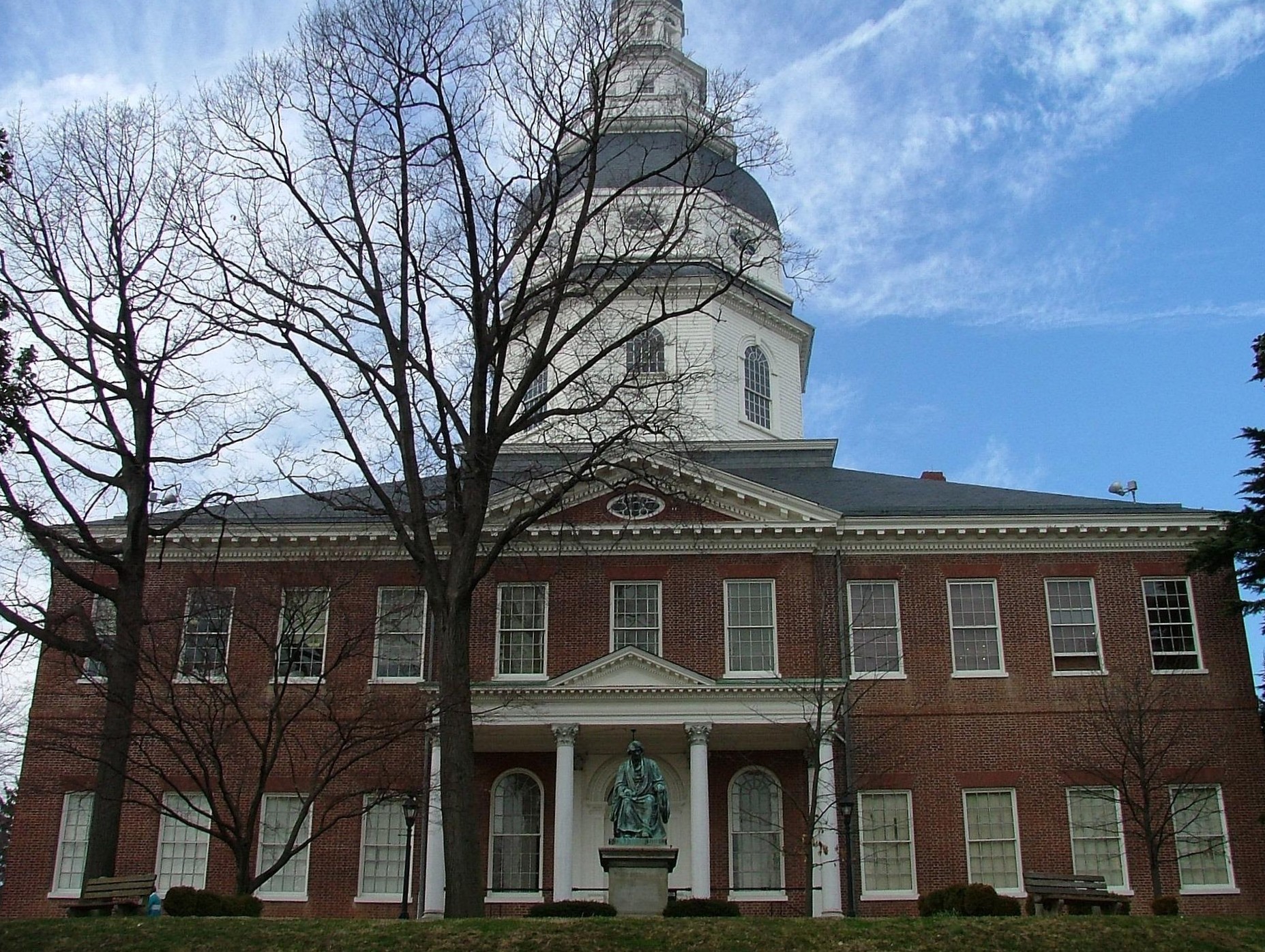
Since 2008, Maryland’s energy efficiency programs have been a low-cost way to save energy and capacity. Called EmPOWER Maryland, the energy efficiency programs lower utility bills, deliver $2.21 in benefits for every dollar invested, support nearly 70,000 jobs in the statewide, and provide hundreds of megawatts of capacity each year.
In 2025, the Maryland Public Service Commission shifted from electricity savings and peak demand reduction targets to the use of greenhouse gas (GHG) reduction targets to guide energy efficiency programs. The Utility RELIEF Act (HB 1532) reduces the annual GHG reduction targets that electric companies must achieve through energy efficiency.
Originally set to reach 2.5% by 2027 and each year following, the new targets are reduced to 1.7% and then gradually ramp back up to the 2.5% target by 2036:
- 1.7% (2027-2029)
- 2.0% (2030–2032)
- 2.25% (2033–2035)
- 2.5% in 2036 and beyond
This reduction to 1.7% from 2027–2029 is equivalent to at least a 32% cut in the savings target each year.
These targets guide EmPOWER Maryland investments in energy efficiency upgrades for homes and businesses. Stakeholders will now need to determine how to implement these target cuts while maintaining program value.
The Act also eliminates GHG reduction requirements for gas utilities, meaning efficiency programs from gas utilities will be terminated by the end of 2026. This will further lower the level of investment in energy efficiency for customers.
The Act also directs the Public Service Commission to issue a request for information (RFI) on the use of a third-party, single-implementer program for the administration of energy efficiency programs offered by electric utilities and the Department of Housing and Community Development. The RFI will seek information on the potential cost impacts, transition barriers, and advantages and disadvantages of a third-party administrator.
Temporary Solar Carve-Out Raises Concerns for Energy Efficiency
In addition to the energy efficiency target reductions, the Utility RELIEF Act also permits electric companies for a three- year period to meet up to 20% of their GHG emissions reduction targets through community solar and other solar generation facilities. This represents a significant departure from other energy efficiency programs, which do not count solar generating systems that are interconnected to the electric distribution system as energy efficiency. Efficiency programs are designed to address market barriers for residences and businesses to upgrade appliances, insulation, and other measures in their homes and buildings. Solar projects are covered through other policies and rate design incentives. Allocating EmPOWER resources to solar generation could divert funding away from efficiency measures, which provide durable and accessible savings for customers.
The provision also interacts in complex ways with existing Maryland policy. Any solar investments supported through EmPOWER would be subject to the Maryland-Specific Social Cost Test, a cost-effectiveness methodology developed for evaluating energy efficiency measures rather than generation assets. Additionally, Maryland’s Renewable Portfolio Standard requires electricity suppliers to procure 50% of their electricity from renewable sources by 2030, providing an existing and well-established mechanism for supporting solar development. This raises questions about how new solar investments under EmPOWER would align with, duplicate, or diverge from the state’s other renewable energy policies.
Potential Impacts of EmPOWER on Cost, Savings, and Communities
Reducing EmPOWER program goals means fewer Maryland households and businesses will be able to pursue efficiency improvements that lower utility bills and enhance building performance. These effects could also be felt in underserved communities, where older building stock, less efficient appliances, and higher energy burdens are more prevalent. While the policy lowers savings targets only to utilities, not to the Department of Housing and Community Development, which administers weatherization programs for low-income households, and allows the Public Service Commission to continue energy efficiency programs for low-income residents that prioritize equity over benefit cost test results, the impacts could extend further. Cuts to the broader energy efficiency portfolio undermine the very workforce, infrastructure, and community trust that make programs possible for low-income households. Efficiency programs are one of the best tools to significantly lower costs for low-income households.
At a system level, reduced investment in energy efficiency means Maryland will need to rely more heavily on new energy generation to meet future demand. As efficiency typically reduces consumption at a lower cost than adding new supply, lower investments in efficiency may temporarily lower costs, but result in higher overall costs for ratepayers over time.
Strategic Energy Investment Fund and New Funding for Heat Pumps in Maryland
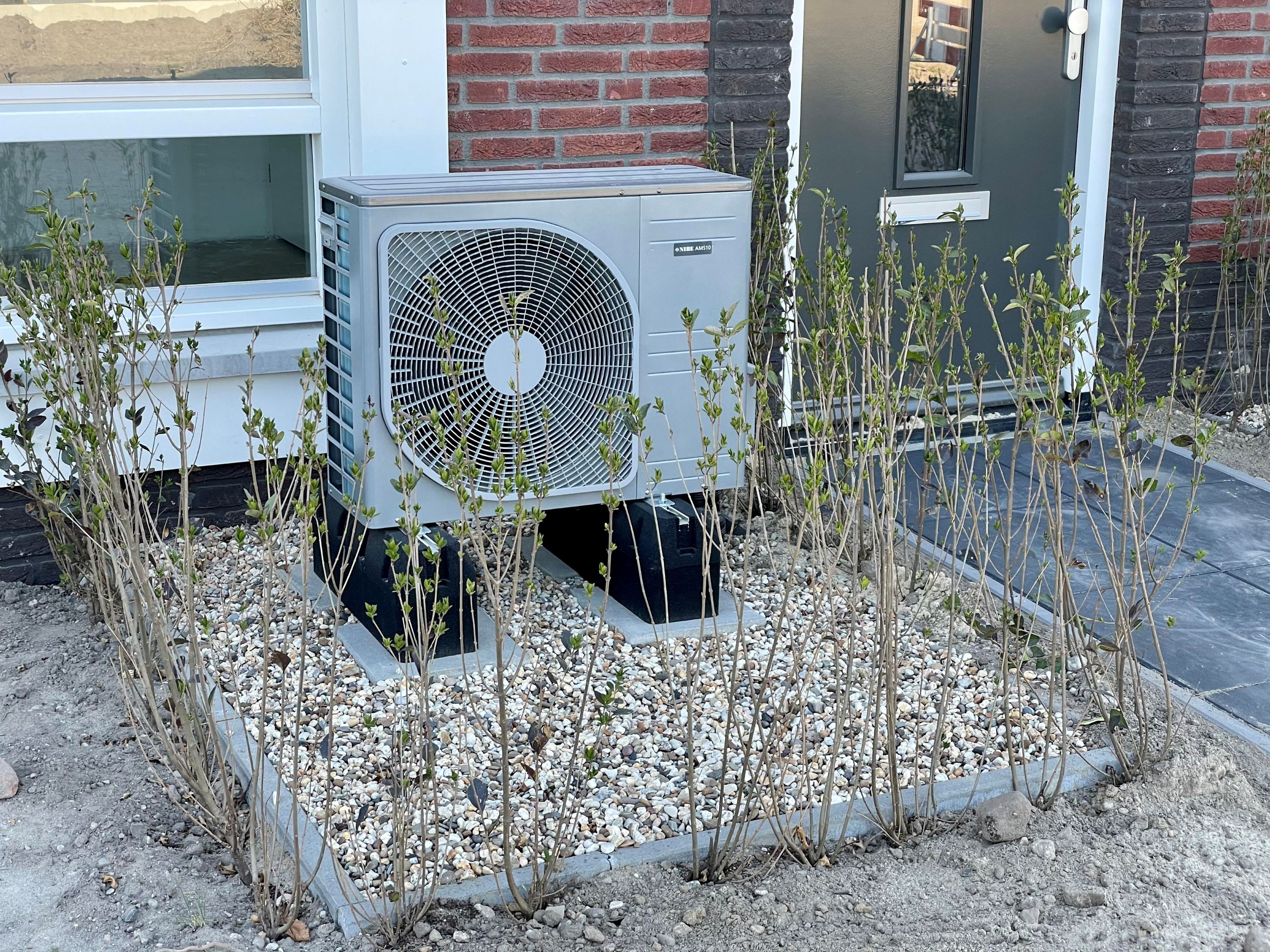
Despite the reductions to EmPOWER, the Act and FY27 budget includes new allocations and investments through the Strategic Energy Investment Fund (SEIF). Here are a few examples:
- $72.65 million for the Residential Energy Equity Program to support heat pump installation and replacement in low- and moderate-income homes over two years
- Expansion of SEIF to include both building and transportation electrification
- Up to $5 million for the GREEN (Green and Renewable Energy Efficiency for Nonprofits) Act, creating a revolving loan fund to help nonprofits install solar panels and pursue energy efficiency upgrades.
These investments indicate continued state interest in efficiency, electrification, and equitable access to clean energy technologies.
Looking Ahead: Balancing Short-Term Relief and Long-Term Affordability
Maryland now faces a pivotal moment. The Utility RELIEF Act provides short-term bill relief, but it also reduces investment in long-term energy efficiency – one of the state’s most cost-effective tools for lowering energy demand, customer bills, and emissions.
Policymakers, utilities, and advocates will need to work together to ensure that Maryland's clean energy transition remains affordable, equitable, and aligned with long-term climate