

By Lauren Ross | Thu, June 11, 26
Energy affordability was a major theme at this year’s NEEP Summit 2026 | The Power of Us. Across the region, rising energy bills are straining household budgets, and policymakers are being asked to deliver solutions that address both immediate needs and long-term structural challenges. Energy efficiency programs, long valued for cost effective savings, play a critical role in advancing equity, strengthening community well-being, and supporting a just energy transition. Despite this track record, policymakers are under pressure to produce immediate, short-term savings for customers, a dynamic that is reshaping discussions about how efficiency programs are funded, designed and evaluated.
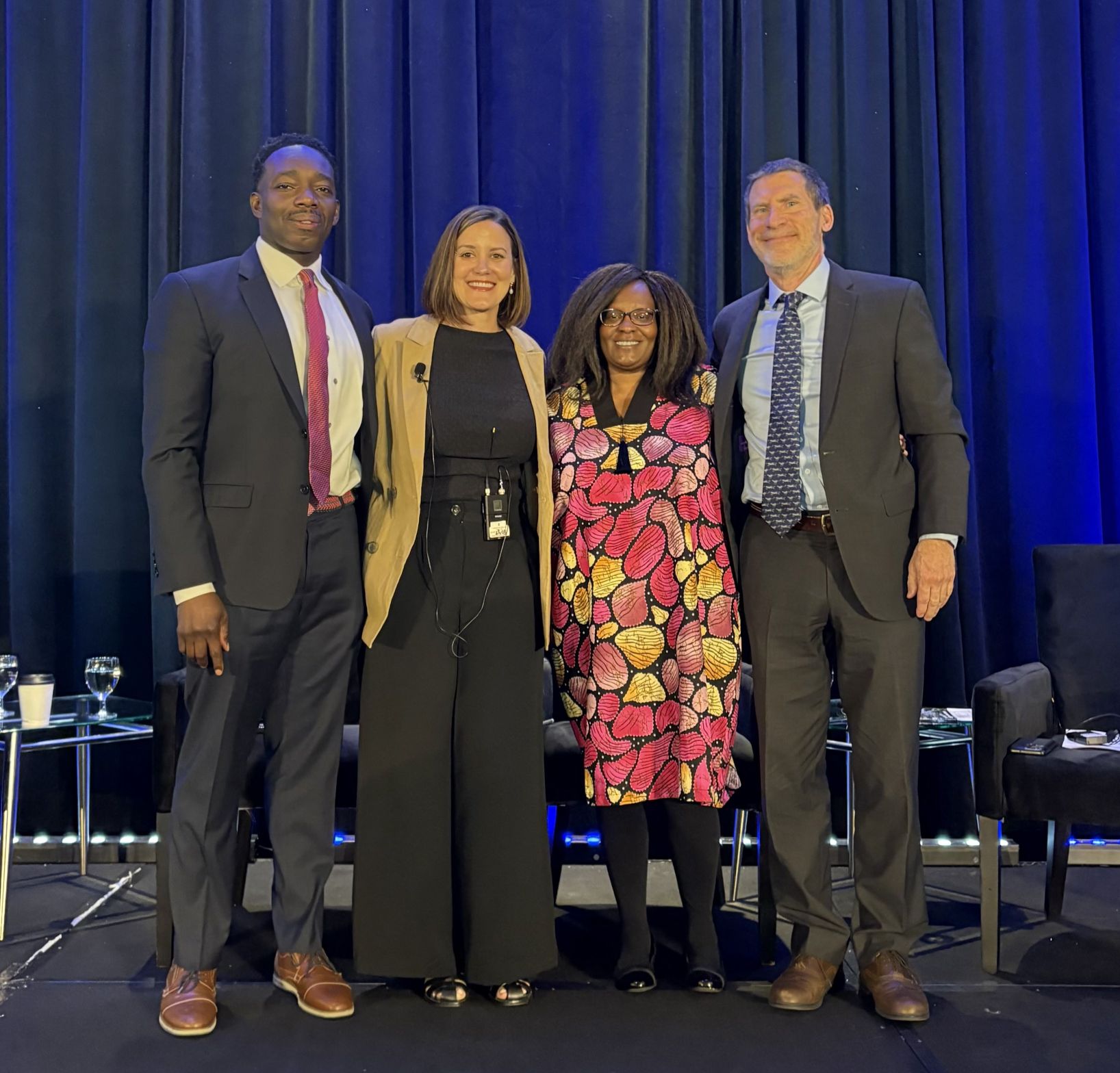
During the plenary session People First: Protecting an Inclusive Energy Efficiency Future, leaders from across the field explored a critical question: How can efficiency programs remain both economically viable and socially equitable, while putting people first and ensuring all communities play a central role in the energy transition?
The conversation underscored a growing consensus that energy efficiency policy across the region has begun to more intentionally “put people first.” Mary Wambui (Planning Office for Urban Affairs), David Lapp (Maryland Office of People’s Counsel), and Paul Douglas (The JPI Group) each brought a unique perspective on what it takes to deliver energy efficiency to meet the needs of households and communities. They emphasized that the success of these investments cannot be measured solely by kilowatt-hours saved. Instead, energy efficiency programs, and the advocacy that shapes them, must value the broader benefits that they deliver: affordability, a more reliable energy system, improved housing quality, a stronger local workforce, and expanded economic opportunity. These outcomes are increasingly central to how communities experience and define the value of energy efficiency. Together, their insights set the stage for a deeper conversation about what it will take to sustain this people-centered approach in the years ahead.
From Lower Energy Bills to Stronger Communities: Energy Efficiency’s Value
Panelists reflected on how dramatically the field has evolved. A decade ago, success was measured primarily by energy savings metrics. Today, states have redefined what “success” means in ways that better reflect the lived experiences of households and communities.

Energy efficiency is now recognized as a driver of economic mobility – creating pathways to good paying jobs, supporting local contractors, and strengthening community wealth. It is also connected with affordable housing – improving building quality, reducing energy burdens, and preserving aging housing stock.
Speakers emphasized that affordability must remain at the center of program design. Policymakers must balance immediate affordability with long-term benefits, ensuring programs remain cost-effective and accessible to those who need them most.
Panelists also emphasized that many affordability and housing challenges cannot be solved by utility-funded programs alone. Aging homes, health disparities, and workforce shortages require coordinated, cross-sector solutions that integrate energy, housing, health, and economic development.
Communities Have Invested in Energy Efficiency—Now Is Not the Time to Reverse Course
Another recurring theme was that energy efficiency programs have not always served communities equitably. Low-income households often help fund these programs through their utility bills but have historically received a smaller share of the benefits.

A people-first approach requires understanding and dismantling the barriers that have limited participation, especially renters, language isolated households, and communities that have been underserved for decades. Massachusetts was highlighted as a state that has begun to shift this paradigm. By tying program performance to equity outcomes, setting goals for underserved communities, and expanding incentives for renters and other populations that have historically been left behind, the state is demonstrating what it looks like to embed equity into program design.
Perhaps most importantly, participants stressed that the solutions are no longer hypothetical. The technologies, program models, and policy tools needed to advance affordability and equity already exist. The challenge now is scaling them and ensuring they remain protected as political and economic conditions shift.
Energy Efficiency Isn't Driving High Bills - But It Is Taking the Blame
As energy costs rise across the country, energy efficiency programs are increasingly scrutinized. Yet panelists stressed that these programs are not the driver of high bills. Transmission and distribution infrastructure investments, fuel costs, and growing electricity demand play a much larger role.
Despite this reality, energy efficiency program charges are highly visible on utility bills, making them easy targets. Speakers urged the industry to communicate more clearly the full value of energy efficiency: job creation, healthier homes, improved comfort, grid reliability, and economic development. These benefits often go unnoticed compared to the line-item showing program costs.
Public education and community engagement are essential. Data alone won’t be enough to shift public perception. Building trust, engaging communities in dialogue, and demonstrating real-world benefits will and may be just as important as technical analysis.
What to Watch
Looking ahead, panelists identified several trends that will shape the future of energy efficiency:
Workforce development emerged as a top concern.
Demand for skilled tradespeople is rising, while competition from data centers and other industries threaten to pull workers away.Equity will be a defining test.
Gains made in recent years may be vulnerable to shifting political and economic conditions. Demonstrating the value of equity-centered approaches will be essential to sustaining support.Housing, health, and energy policy are converging.
Future programs must address household needs in a more integrated way rather than through siloed interventions.The gas transition poses new affordability risks.
As some households electrify, remaining customers, often lower income, may face rising gas system costs. Equitable planning is essential.
Ultimately, the session closed with a powerful message: affordability and energy efficiency are not competing priorities; they strengthen one another. When we design programs that reflect our households and communities, we deliver affordability, advance equity, and build stronger, more resilient communities for the long term.